


Activated glutaraldehyde is a well - recognized and highly effective disinfectant widely used in various industries, including healthcare, laboratories, and veterinary settings. As a supplier of activated glutaraldehyde, understanding the recommended contact time during disinfection is crucial for ensuring its optimal performance and safety.
Understanding Activated Glutaraldehyde
Activated glutaraldehyde is a potent chemical compound that owes its disinfecting power to its ability to cross - link proteins and nucleic acids in microorganisms, thereby inactivating them. It is particularly effective against a broad spectrum of pathogens, including bacteria, viruses, fungi, and mycobacteria. One of the significant advantages of using activated glutaraldehyde is its relatively low corrosion potential compared to some other disinfectants, which makes it suitable for use on a variety of medical and laboratory equipment.

Factors Affecting Contact Time
The recommended contact time for activated glutaraldehyde during disinfection is not a one - size - fits - all value. Several factors can influence this crucial parameter:
Type of Microorganism
Different microorganisms have varying levels of resistance to disinfectants. For example, bacterial spores are generally more resistant than vegetative bacteria. Mycobacteria, such as Mycobacterium tuberculosis, also pose a greater challenge due to their waxy cell walls. When dealing with highly resistant organisms, a longer contact time is typically required. For vegetative bacteria, a contact time of 10 - 20 minutes may be sufficient in many cases. However, for mycobacteria, a contact time of 45 minutes to 3 hours might be necessary, depending on the specific product and the level of contamination.
Concentration of the Disinfectant
The concentration of activated glutaraldehyde in the solution plays a vital role in determining the contact time. Higher concentrations generally allow for shorter contact times. Most commercially available activated glutaraldehyde solutions have recommended concentrations, usually in the range of 2% - 3%. A 2% solution might require a longer contact time compared to a 3% solution to achieve the same level of disinfection.
Organic Load
The presence of organic matter, such as blood, mucus, or tissue debris, can significantly affect the effectiveness of the disinfectant. Organic materials can react with the glutaraldehyde, reducing its available concentration and thus increasing the required contact time. In situations where there is a high organic load, it is essential to pre - clean the items thoroughly before disinfection. Even after pre - cleaning, a longer contact time may still be needed to ensure proper disinfection.
Temperature
Temperature can also impact the disinfecting process. Generally, higher temperatures can increase the rate of chemical reactions, leading to a shorter contact time. However, activated glutaraldehyde solutions have an optimal temperature range for use. Most products recommend a temperature between 20°C - 25°C. If the temperature is too low, the reaction rate slows down, and a longer contact time is required.
Recommended Contact Times for Different Applications
Healthcare Settings
In healthcare, activated glutaraldehyde is commonly used for disinfecting medical instruments, such as endoscopes. For flexible endoscopes, which are often in contact with body fluids and have complex internal channels, a contact time of at least 20 - 45 minutes is typically recommended. This ensures that all potential pathogens, including mycobacteria and viruses, are effectively inactivated. Before using the endoscope again, it is also important to rinse it thoroughly to remove any residual glutaraldehyde.
Laboratory Environments
In laboratories, where precision instruments and equipment are used, activated glutaraldehyde can be used to disinfect work surfaces, pipettes, and other tools. For general laboratory disinfection of surfaces, a contact time of 10 - 15 minutes may be sufficient if the organic load is low. However, for equipment that has been in contact with potentially infectious agents, such as cell cultures or microbiological samples, a longer contact time of 30 minutes or more may be necessary.
Veterinary Practices
In veterinary settings, activated glutaraldehyde can be used to disinfect cages, surgical instruments, and examination tables. When disinfecting cages, which may have a high organic load from animal waste, a contact time of 30 minutes to an hour is often recommended. Surgical instruments should be disinfected for at least 20 - 45 minutes to prevent the spread of infectious diseases among animals.
Safety Considerations
When using activated glutaraldehyde, safety is of utmost importance. Glutaraldehyde can be a skin and respiratory irritant. Proper personal protective equipment, such as gloves, goggles, and a respirator, should be worn during handling. Adequate ventilation is also essential to prevent the inhalation of glutaraldehyde vapors. After the recommended contact time, all items should be rinsed thoroughly with water to remove any remaining glutaraldehyde.
Industry Standards and Guidelines
There are several industry standards and guidelines that provide recommendations on the use of activated glutaraldehyde. For example, the Centers for Disease Control and Prevention (CDC) in the United States and the World Health Organization (WHO) have published guidelines on disinfection and sterilization in healthcare settings. These guidelines take into account the various factors mentioned above and provide evidence - based recommendations on contact times for different applications.
It is also important to follow the manufacturer's instructions for the specific activated glutaraldehyde product you are using. Manufacturers conduct extensive testing to determine the optimal contact times based on their product's formulation and performance.
Additional Chemicals in Related Applications
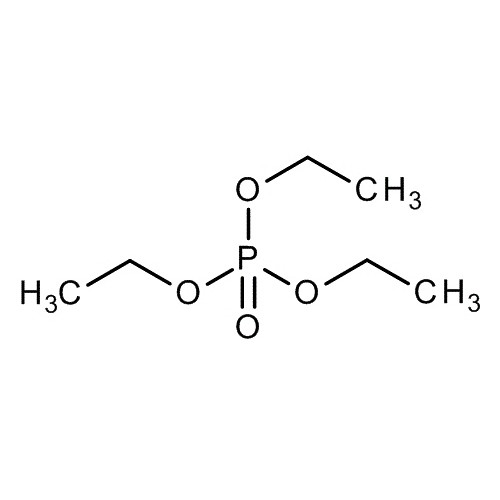
In the field of chemical disinfection and other industrial applications, there are several related chemicals worth mentioning. Pyrophosphoryl Chloride is a compound used in organic synthesis and can play a role in the development of certain disinfectant - related chemicals. Triethyl Phosphate Uses are diverse, including its use as a solvent and in the production of some flame - retardant materials. 2 Aminothiazole is another chemical that has applications in the pharmaceutical and chemical industries, and its properties may be relevant in the development of new disinfectant formulations.
Conclusion
As a supplier of activated glutaraldehyde, we understand the importance of providing accurate information on the recommended contact times for disinfection. The contact time is influenced by multiple factors, including the type of microorganism, concentration of the disinfectant, organic load, and temperature. By following industry standards, manufacturer's instructions, and taking into account these factors, users can ensure the effective and safe use of activated glutaraldehyde.
If you are interested in purchasing our high - quality activated glutaraldehyde products or have any questions regarding its use, we encourage you to contact us for a detailed discussion. Our team of experts is ready to assist you in finding the best solutions for your disinfection needs.
References
- Block, S. S. (Ed.). (2001). Disinfection, Sterilization, and Preservation. Lippincott Williams & Wilkins.
- Centers for Disease Control and Prevention. (2019). Guidelines for Disinfection and Sterilization in Healthcare Facilities.
- World Health Organization. (2016). Guidelines on Hand Hygiene in Health Care.


